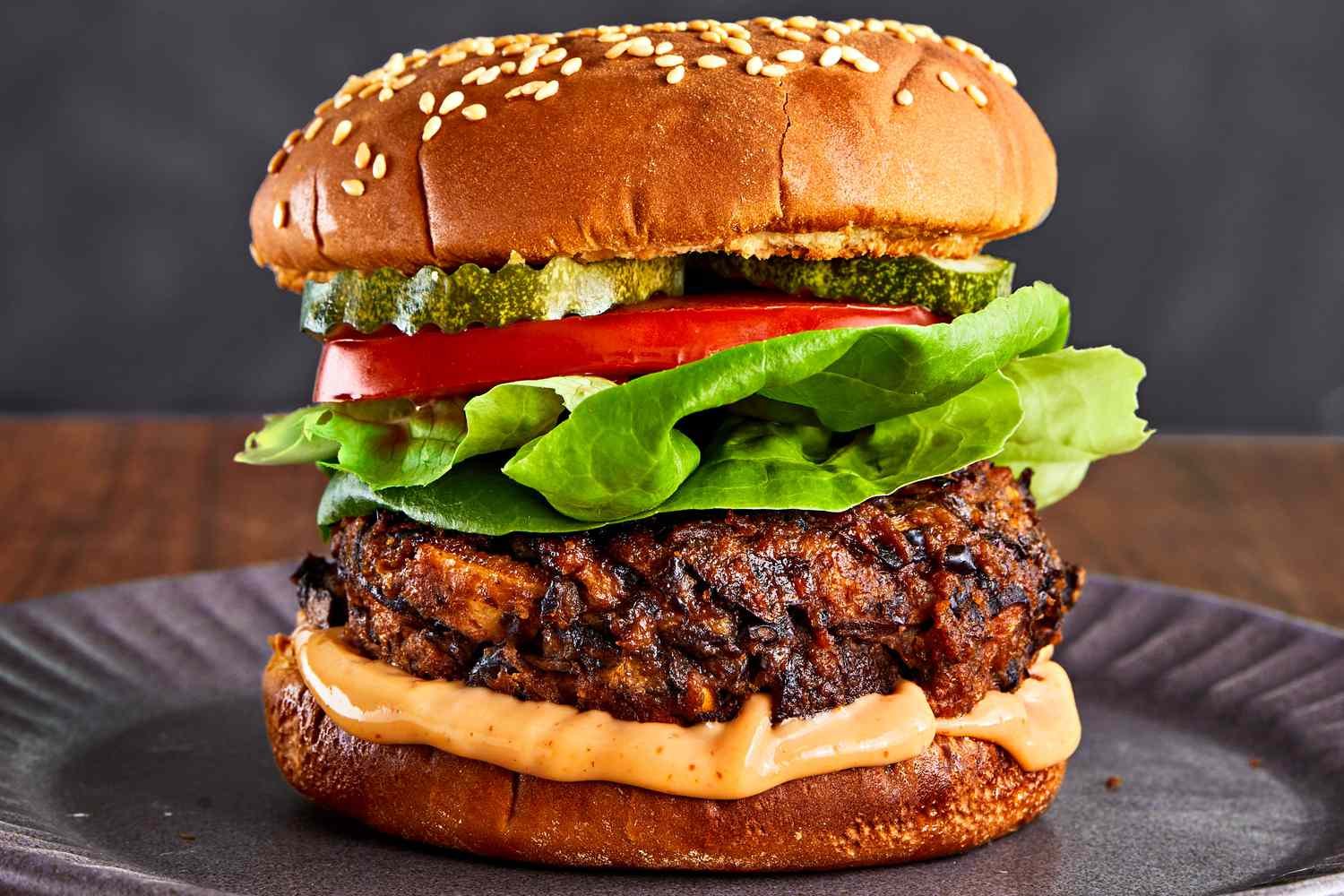
There’s nothing quite like the smell of burgers hitting a hot grill on a summer evening. I remember my first real attempt at homemade burgers back in college. I thought throwing some ground beef on the grill with a sprinkle of salt would be enough. Spoiler: it wasn’t. The patties shrank to hockey-puck size, the juice ran out everywhere, and my friends politely chewed while staring at their plates. Lesson learned the hard way—making great burgers at home isn’t about fancy gadgets or expensive ingredients; it’s about a few smart choices and respecting the meat. Once I nailed the basics, those backyard cookouts turned into something people actually talked about for days.
Homemade burgers let you control every detail: the fat content for juiciness, the seasonings for flavor, and the toppings for that perfect bite. Forget the mystery meat in fast-food patties—when you make them yourself, you get restaurant-quality results without leaving your kitchen or backyard. Let’s break it down step by step so you can skip my early disasters and go straight to burger glory.
Why Make Burgers at Home Instead of Grabbing Takeout?
Making burgers from scratch feels like a small victory every time. You save money—good ground beef and buns cost less than multiple drive-thru runs—and you avoid the preservatives and fillers that sneak into commercial patties. The real win is flavor. When you season the meat yourself, toast the buns in the same pan, and pile on fresh toppings, the difference is night and day.
It’s also surprisingly quick. From mixing to eating, you’re looking at 30-45 minutes tops. Plus, it’s customizable. Kids want plain cheese? Done. You want spicy jalapeño? Easy. The freedom alone makes it worth the effort.
Choosing the Right Meat: The Foundation of a Great Burger
The meat is where everything starts. Pick wrong, and no amount of seasoning saves it.
Best Ground Beef for Juicy Burgers
Go for ground chuck with an 80/20 lean-to-fat ratio. That 20% fat keeps things moist and adds rich flavor as it renders during cooking. Ground sirloin (90/10) dries out fast, while extra-lean mixes turn crumbly. If you can, ask the butcher for fresh-ground chuck or buy from a trusted source—freshly ground meat is less compressed and stays tender.
For even more flavor, some folks mix in a bit of ground brisket or short rib, but 80/20 chuck is the reliable workhorse.
Alternatives to Beef: Turkey, Chicken, or Veggie Patties
Not everyone eats beef. Ground turkey works well if you add moisture—mix in grated onion or a little olive oil. Aim for 85/15 if possible. Veggie burgers shine with black beans, lentils, or mushrooms as the base; they need binders like oats or flaxseed to hold together.
Beef is king for classic taste, but these options expand your options without sacrificing satisfaction.

Make hamburgers that won’t fall apart on the grill (or disappoint the grandchildren) | The Splendid Table
Essential Ingredients for Killer Patty Flavor
A basic patty needs more than just beef. Here’s what makes the difference:
- Ground beef (80/20): 2 pounds for 6-8 patties
- Binders: 1 egg + ½ cup Panko breadcrumbs or crushed saltines (holds juices without making it meatloaf-y)
- Flavor boosters: 2 tbsp Worcestershire sauce, 1 tsp garlic powder, 1 tsp onion powder, salt, pepper
- Moisture helpers: 2 tbsp milk (tenderizes the meat)
Mix gently—overworking toughens the texture. Season right before cooking so salt doesn’t pull out moisture too early.
Step-by-Step: Forming Perfect Burger Patties
Start with cold meat straight from the fridge. Divide into equal portions (about ⅓ pound each for thick patties). Gently shape into disks slightly wider than your buns—they shrink as they cook.
Press a shallow dimple in the center with your thumb. This prevents the dreaded dome shape and keeps everything even. Stack patties between wax paper if prepping ahead, and chill until ready to cook.
I used to skip the dimple. One cookout, my patties puffed up like meatballs, and the centers stayed raw while the outsides charred. Never again.
Cooking Methods Compared: Grill, Stovetop, or Smash?
Different methods give different results. Here’s a quick breakdown:
| Method | Best For | Heat Level | Time per Side | Pros | Cons |
|---|---|---|---|---|---|
| Grill | Smoky flavor, outdoor vibe | Medium (350-400°F) | 3-5 minutes | Great char, easy for crowds | Weather dependent |
| Stovetop | Quick indoor cooking | Medium-high | 3-5 minutes | Perfect sear, control | Smoke alarm risk |
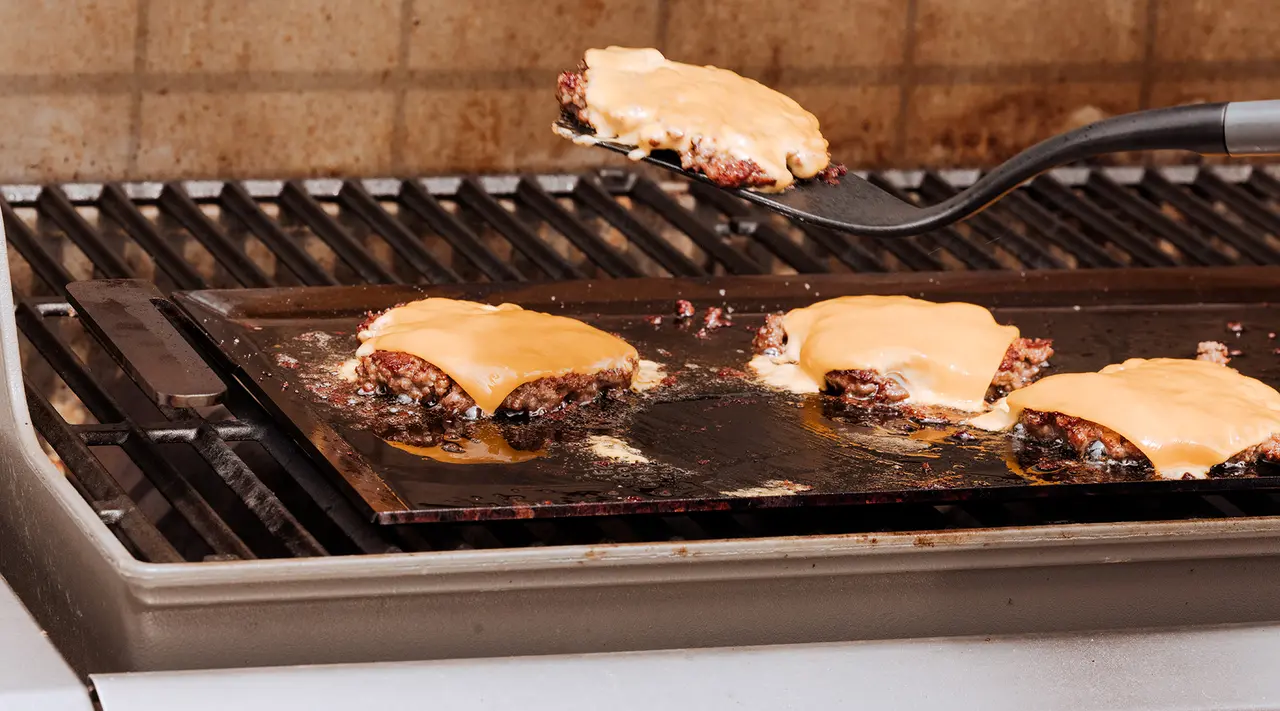
| Smash Burger | Crispy edges, thin patties | High | 2-3 minutes | Maillard magic, fast | Needs hot surface |
Grilling Burgers Like a Pro
Preheat to medium. Oil the grates lightly. Cook without pressing down—let the fat render naturally. Flip once, add cheese if desired, and pull at 155°F internal for medium (it’ll rise to 160°F while resting).
Stovetop Mastery in a Cast-Iron Skillet
Heat a cast-iron pan until smoking. Toast buns first in butter for golden edges. Cook patties 3-4 minutes per side. Cover briefly to melt cheese. The sear is unbeatable indoors.
Smash Burgers: The Crispy Edge Obsession
Portion loose balls of meat, place on a screaming-hot griddle, and smash thin with a heavy spatula. Cook 2 minutes per side. The crust is addictive—crispy outside, juicy inside.
Toppings and Sauces That Take Burgers to the Next Level
A great burger needs balance: acid, crunch, creaminess, and umami.
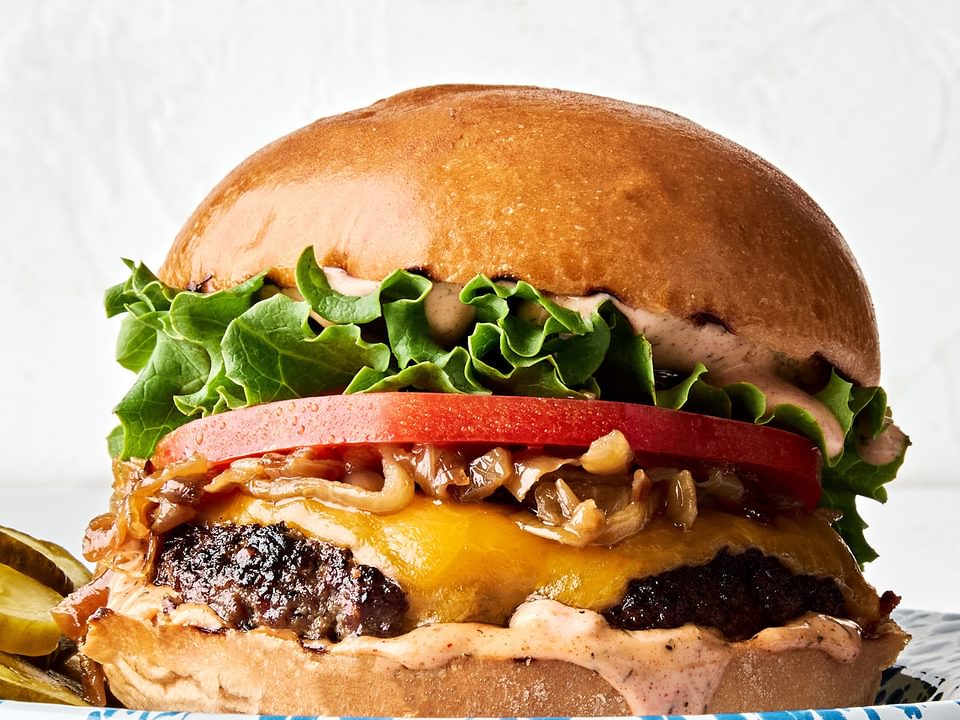
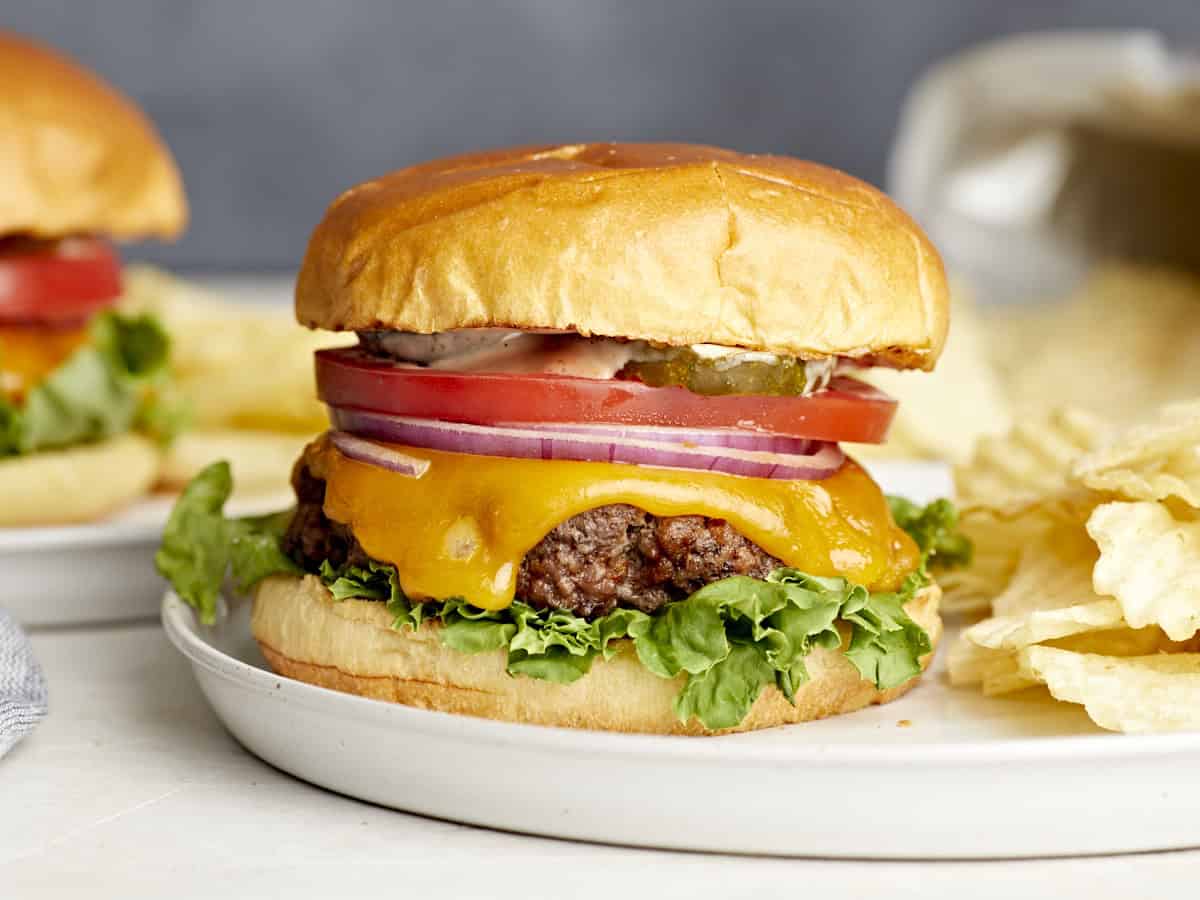
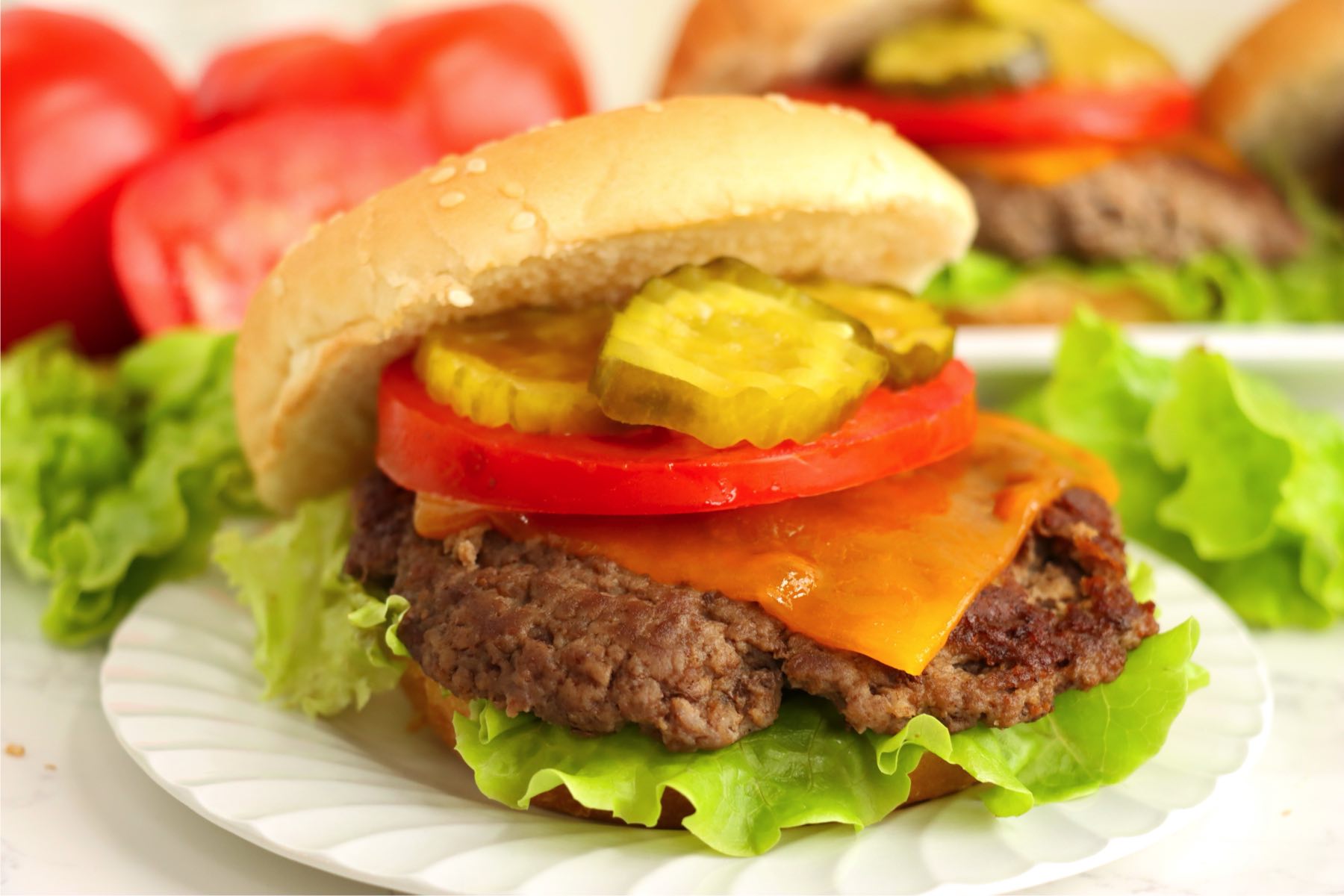
Classic stack: toasted bun, special sauce (mayo + ketchup + mustard + relish), lettuce, tomato, onion, pickles, cheese, patty.
Creative twists:
- Bacon + caramelized onions + blue cheese
- Avocado + jalapeños + pepper jack
- Fried egg + hash browns for breakfast vibes
Simple sauce ideas:
- Classic: mayo, ketchup, mustard, pickle juice
- BBQ aioli: mayo + BBQ sauce
- Fry sauce: mayo + ketchup + paprika
Toast the buns always. It adds crunch and prevents sogginess.


Classic and Creative Burger Variations to Try
- Classic Cheeseburger: American cheese, lettuce, tomato, onion, pickles.
- Smash Burger: Thin, crispy, double-patty with special sauce.
- Juicy Lucy: Cheese stuffed inside the patty—careful, it’s molten.
- Turkey Burger: Add grated zucchini for moisture.
- Veggie Burger: Black bean + quinoa + spices.
Mix-ins like diced onions or jalapeños inside the patty add flavor bursts.
Common Mistakes and How to Fix Them
- Overmixing: Makes tough patties. Mix just until combined.
- Pressing with spatula: Squeezes out juices. Resist!
- No dimple: Causes puffing. Thumb press fixes it.
- Overcooking: Use a thermometer—155°F then rest.
- Cold pan: No sear. Preheat properly.
One time I pressed hard thinking it’d cook faster. Juices everywhere. Live and learn.
People Also Ask
How do you make homemade burgers juicy? Use 80/20 beef, don’t overmix, dimple the center, and avoid pressing while cooking. Fat is your friend.
What is the best ground beef for burgers? 80/20 chuck. It has enough fat for flavor and moisture without being greasy.
How long do you cook homemade burgers? 3-5 minutes per side on medium-high for medium (160°F internal after resting).
Do homemade burgers need breadcrumbs? Not always, but a light binder like Panko or egg helps hold juices.
Can you make burgers ahead? Yes—form patties, separate with wax paper, and refrigerate up to 24 hours or freeze up to 3 months.
FAQ
What makes a burger juicy? Fat content (80/20), minimal handling, proper cooking temperature, and resting after grilling.
Should you add egg to burger patties? Optional, but it binds well and adds moisture. Skip if you prefer pure beef.
How do I prevent burgers from shrinking? Make patties larger than the bun and dimple the center.
Best cheese for burgers? American melts perfectly; cheddar for sharp flavor; gouda for nutty notes.
Can I freeze homemade burger patties? Absolutely. Wrap individually and freeze up to 3 months. Thaw in the fridge before cooking.
There you have it—the full playbook for homemade burgers that beat anything from a chain. Next time you’re craving one, skip the line and fire up the pan or grill. Your taste buds (and your friends) will thank you. What’s your go-to topping combo? Drop it in the comments—I’m always up for new ideas.
Leave a Reply