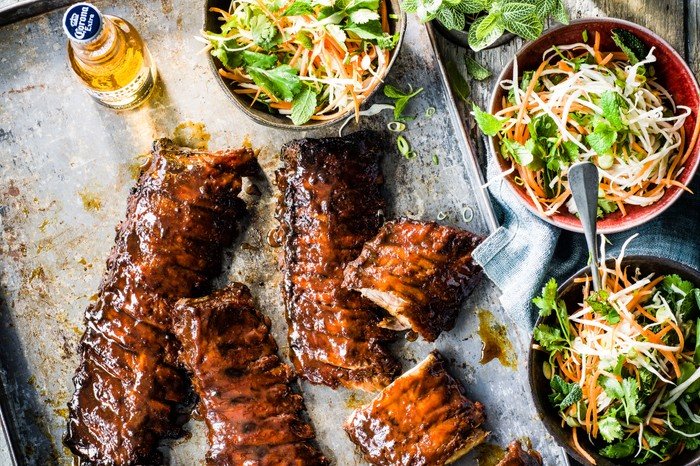
I still remember the first time I pulled a rack of ribs off my old charcoal grill in the backyard. The meat literally fell off the bone, juices running down my fingers as my kids cheered and neighbors wandered over with empty plates. That moment hooked me on barbecue recipes forever. Whether you’re a weekend warrior with a basic gas grill or a serious pitmaster chasing that perfect smoke ring, great barbecue recipes turn ordinary ingredients into something unforgettable. This guide walks you through everything from choosing the right gear to nailing those crave-worthy flavors, all while keeping things real, practical, and packed with tips I’ve learned the hard way over years of smoky trial and error.
What Makes Barbecue Recipes Special: A Backyard Tradition
Barbecue recipes aren’t just about throwing meat on a flame—they’re about connection, patience, and that unmistakable aroma that draws everyone together. From Texas brisket to Southern pulled pork, these dishes celebrate slow cooking and bold seasonings that transform tough cuts into tender masterpieces. I’ve seen families bond over a shared platter at summer cookouts, and that’s the real magic. The best barbecue recipes balance smoke, spice, and sweetness in ways that keep people coming back for seconds.
Grilling vs. Barbecuing: Clearing the Confusion
Most folks use the words interchangeably, but true barbecue means low-and-slow cooking over indirect heat with wood smoke, while grilling is hot-and-fast direct heat for quick sears. Grilling suits steaks and burgers in under 20 minutes; barbecue shines with ribs or brisket that cook for hours at 225–275°F. Understanding this difference prevents dry meat and unlocks deeper flavor in your barbecue recipes. I once grilled ribs thinking it was barbecue—lesson learned the smoky way.
Essential Tools for Mastering Barbecue Recipes
You don’t need a fancy smoker to start creating killer barbecue recipes, but the right tools make all the difference between good and unforgettable. A solid grill or smoker, instant-read thermometer, and sturdy tongs form the backbone of success. I upgraded my setup gradually, and each piece paid off in juicier results and fewer burnt fingers. Focus on quality basics first before chasing gadgets.
- Instant-read thermometer: Ensures perfect doneness every time.
- Heavy-duty tongs and spatula: Flip without piercing the meat.
- Grill brush and scraper: Keeps grates clean for even cooking.
- Wood chunks or chips: Add authentic smoke flavor to any grill.
- Meat claws: Shred pulled pork like a pro in seconds.
Choosing the Right Meats and Ingredients for BBQ Success
Selecting quality meats and fresh seasonings separates average barbecue recipes from legendary ones. Look for well-marbled brisket or pork shoulder with good fat content that renders slowly for moisture. Fresh spices and real wood smoke beat bottled sauces every time. I once bought cheap supermarket rubs and regretted it—homemade versions with pantry staples deliver far better depth. Always let meat come to room temperature before cooking for even results.
Homemade Rubs and Sauces: The Secret to Flavorful Barbecue Recipes
No barbecue recipe shines without a killer rub and sauce. Dry rubs build crusty bark while wet sauces add sticky sweetness or tangy bite. I mix my own because store-bought versions often taste one-note. These building blocks let you customize heat, sweetness, and smoke to match any meat or mood. Experiment once, and you’ll never go back to packets again.
Classic All-Purpose BBQ Rub
This versatile rub works on everything from brisket to chicken and creates that signature bark pitmasters chase. I sprinkle it generously and let it sit overnight for maximum penetration. The brown sugar caramelizes beautifully while paprika and spices deliver balanced heat. Store leftovers in an airtight jar for up to three months.
- ½ cup brown sugar
- ¼ cup paprika (smoked if possible)
- 2 tablespoons chili powder
- 1 tablespoon garlic powder
- 1 tablespoon onion powder
- 1 tablespoon kosher salt
- 1 teaspoon black pepper
- ½ teaspoon cayenne (optional for heat)
Mix all ingredients thoroughly in a bowl. Pat meat dry, apply generously, and refrigerate for at least 4 hours or overnight before cooking.
Easy Homemade BBQ Sauce
This tangy-sweet sauce beats anything in a bottle and takes just 15 minutes on the stove. I simmer it while the meat smokes so flavors meld perfectly by serving time. Adjust vinegar or brown sugar to suit your taste—mine leans slightly spicy for ribs. Brush it on during the final hour or serve on the side.
- 1 cup ketchup
- ½ cup apple cider vinegar
- ¼ cup brown sugar
- 2 tablespoons Worcestershire sauce
- 1 tablespoon mustard
- 1 teaspoon smoked paprika
- ½ teaspoon garlic powder
- Salt and pepper to taste
Combine ingredients in a saucepan over medium heat. Simmer 10–15 minutes until thickened, stirring occasionally. Cool before using or store in the fridge up to two weeks.
Signature Meat Barbecue Recipes
Meat is the star of most barbecue recipes, and these classics deliver crowd-pleasing results with minimal fuss. Each one includes tried-and-true techniques I’ve refined over dozens of cookouts. Whether you prefer beef, pork, or poultry, these options cover every craving. Pair them with the rub and sauce above for next-level flavor.
Texas-Style Smoked Brisket Recipe
Nothing beats the rich, smoky bark and melt-in-your-mouth tenderness of a properly smoked brisket. I trim the fat cap to ¼ inch, apply the rub, and smoke at 225°F using oak or hickory until it hits 203°F internal. The wait feels eternal, but that first slice makes it worthwhile. Wrap in butcher paper during the stall for perfect moisture.
- 10–12 pound whole packer brisket
- ¼ cup all-purpose BBQ rub
- Oak or hickory wood chunks
Trim fat, apply rub, and smoke fat-side up at 225°F for 12–16 hours, spritzing with apple juice after 6 hours. Rest wrapped in a cooler for 1–2 hours before slicing against the grain.
Memphis-Style Baby Back Ribs
These fall-off-the-bone ribs earn applause every time I serve them. I remove the membrane, coat with rub, and smoke at 225°F for about 5 hours, wrapping midway for tenderness. A final glaze creates that glossy, finger-licking finish. My family fights over the end pieces with extra bark.
- 2 racks baby back ribs
- ¼ cup all-purpose BBQ rub
- ½ cup homemade BBQ sauce
Remove membrane, rub generously, and smoke at 225°F for 3 hours. Wrap in foil with a splash of apple juice for 2 more hours, then unwrap and sauce for 30 minutes.
Carolina Pulled Pork Shoulder
Vinegar-based sauce makes this Eastern Carolina-style pulled pork bright and addictive. I smoke a bone-in pork butt low and slow until it pulls apart easily with forks. My first successful batch at a neighborhood block party turned me into the unofficial pitmaster. Serve on buns with slaw for the ultimate sandwich.
- 8–10 pound bone-in pork shoulder
- ¼ cup all-purpose BBQ rub
- 1 cup apple cider vinegar sauce (vinegar, red pepper flakes, salt)
Rub the shoulder and smoke at 225°F for 12–14 hours until 203°F internal. Rest, pull apart, and toss with vinegar sauce.
Sticky BBQ Chicken Thighs
Juicy thighs with caramelized glaze outperform breasts every single time. I season simply, grill indirectly, then brush with sauce near the end. The skin crisps beautifully while staying moist inside. Guests always ask for the recipe, and I love how forgiving this one is for beginners.
- 8 bone-in chicken thighs
- 2 tablespoons all-purpose BBQ rub
- ½ cup homemade BBQ sauce
Season thighs and grill indirectly at 350°F for 40–45 minutes, flipping once. Brush with sauce in the last 10 minutes until sticky and 175°F internal.
Beyond Meat: Seafood and Veggie Barbecue Recipes
Barbecue recipes don’t stop at beef and pork—seafood and vegetables shine with the same smoky treatment. These lighter options balance heavier mains and please everyone at the table. I grill salmon or veggies alongside meats so everything finishes together. Fresh produce picks up char and smoke in minutes.
Grilled Lemon-Herb Salmon
Flaky salmon with bright citrus and herbs feels restaurant-quality straight from the grill. I oil the skin, season simply, and cook skin-side down over medium heat. The result is moist fish kissed with smoke. My wife requests this for every summer gathering.
- 4 salmon fillets
- 2 tablespoons olive oil
- Lemon zest, fresh herbs, salt, and pepper
Brush with oil, season, and grill skin-side down at 400°F for 8–10 minutes until 145°F internal. Finish with a squeeze of fresh lemon.
Colorful Vegetable Kebabs
These vibrant skewers bring color and crunch to any barbecue spread. I alternate zucchini, peppers, onions, and mushrooms, then brush with a light herb marinade. They cook quickly and pair perfectly with meats. Even picky eaters clean their plates.
- Assorted vegetables (zucchini, bell peppers, onions, mushrooms)
- Olive oil, garlic, herbs, salt, and pepper
Thread onto skewers, brush with marinade, and grill at 400°F for 8–12 minutes, turning occasionally until charred and tender.
Perfect Side Dishes to Complement Your Barbecue Recipes
No barbecue spread is complete without sides that soak up sauces and cut through richness. These classics round out the meal and often steal the show. I prepare them ahead so I can focus on the grill. Creamy, smoky, or tangy—they balance every plate.
Classic Creamy Coleslaw
Crisp cabbage and carrots in a tangy dressing refresh the palate between bites of rich meat. I shred fresh and dress lightly to avoid sogginess. This recipe travels well to potlucks and disappears fast.
- 1 head green cabbage
- 2 carrots
- ½ cup mayonnaise
- 2 tablespoons apple cider vinegar
- Salt, pepper, and celery seed
Shred vegetables, whisk dressing, and toss gently. Chill 30 minutes before serving.
Smoky Slow-Cooked Baked Beans
These beans absorb barbecue smoke and flavors during a long simmer. I doctor canned beans with bacon, onion, and a splash of my homemade sauce. They bubble gently beside the meat and taste even better the next day.
- 4 cans baked beans
- ½ pound cooked bacon
- 1 onion, chopped
- ¼ cup homemade BBQ sauce
- Brown sugar and mustard to taste
Mix everything and simmer low for 1–2 hours, stirring occasionally.
Grill Types Compared: Which is Best for Your Recipes?
Different grills suit different barbecue recipes, so picking the right one saves time and money. Charcoal delivers authentic smoke but requires more attention. Gas offers convenience and consistent heat. Pellet smokers automate low-and-slow perfection. Here’s a quick breakdown I wish I’d seen before buying my first setup.
| Grill Type | Best For | Pros | Cons |
|---|---|---|---|
| Charcoal | Ribs, brisket | Rich smoky flavor, affordable | Needs constant monitoring |
| Gas | Chicken, veggies | Quick startup, easy control | Less natural smoke |
| Pellet Smoker | Brisket, pulled pork | Set-and-forget temperature | Higher upfront cost |
People Also Ask: Common Questions About Barbecue Recipes
These questions pop up constantly in searches, so here are straightforward answers based on real-world experience. They cover the most common pain points beginners face.
How do you make barbecue sauce from scratch?
Start with ketchup or tomato base, add vinegar for tang, brown sugar for sweetness, and spices for depth. Simmer 15 minutes and adjust to taste—mine includes Worcestershire and smoked paprika for complexity.
What’s the best temperature for smoking meat?
Aim for 225–250°F for most barbecue recipes. This low heat breaks down connective tissue without drying the meat. Use a thermometer to maintain consistency.
How long does it take to smoke a brisket?
Plan 1.5 hours per pound at 225°F, so a 12-pound brisket takes 12–18 hours plus rest time. Factor in the stall around 160°F and wrap to push through.
Can you barbecue without a grill?
Absolutely—use an oven with liquid smoke or a stovetop smoker box. Results won’t match outdoor smoke, but the flavors still shine for indoor days.
What’s the difference between BBQ rub and marinade?
Rubs are dry spices applied before cooking for bark and flavor. Marinades are wet and penetrate deeper but can make meat mushy if left too long—use rubs for most barbecue recipes.
Frequently Asked Questions
What are the easiest barbecue recipes for beginners?
Start with chicken thighs or pork ribs—they forgive mistakes and cook relatively quickly. Follow the rub-and-sauce method above for instant success.
How do I keep meat moist during long smokes?
Spritz with apple juice or wrap in butcher paper after the stall. A water pan in the smoker also helps maintain humidity.
Can I prepare barbecue recipes ahead of time?
Yes—smoke meats the day before, wrap tightly, and reheat gently in a low oven. Sides like slaw taste better after chilling overnight.
What wood works best for different meats?
Hickory or oak for beef, apple or cherry for pork and poultry. Experiment to find your favorite smoke profile.
How do I clean my grill after barbecue recipes?
Brush grates while still warm, then wipe with oil. Deep clean monthly to prevent flare-ups.
Barbecue recipes reward patience and a little creativity more than perfection. Whether you’re smoking your first brisket or grilling quick chicken for a weeknight crowd, these techniques and flavors will elevate every cookout. Fire up the grill, gather your people, and enjoy the magic that happens when smoke meets meat. Your backyard is about to smell like heaven—what are you waiting for?
Leave a Reply